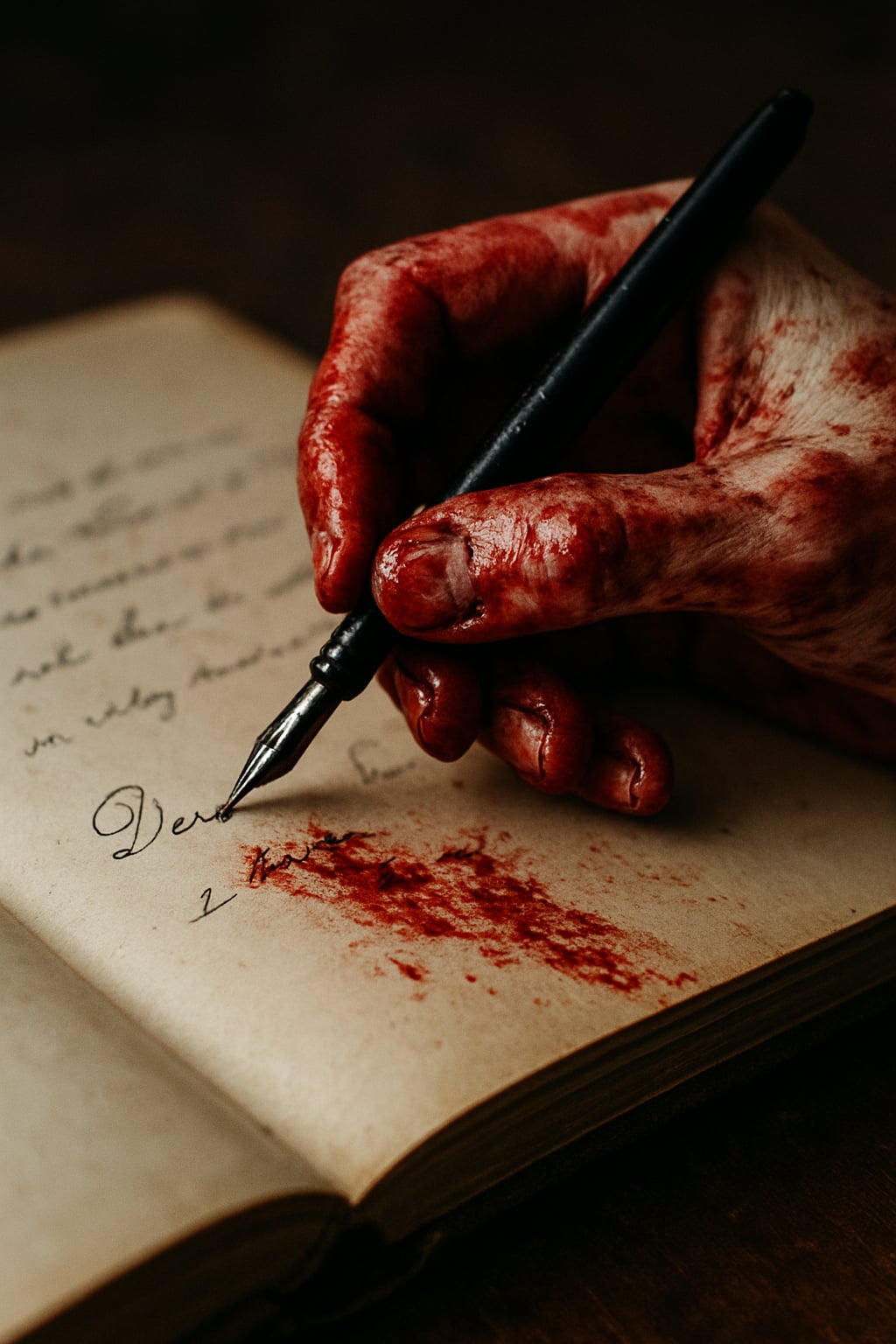
History is written in two colors: the dark stain of blood and the deliberate stroke of ink. Both leave marks. Both tell stories. Yet only one has the power to carry us forward.
For centuries, human progress has been shaped by the tragedies of conflict. Kingdoms rose and fell on the blood of the conquered. Revolutions were secured by sacrifice. Nation-states carved their borders through violence. Blood, in this sense, has always been a crude author, one that forces its narrative upon the unwilling. When blood writes, it writes with urgency, chaos, and pain. It records the heavy cost of disagreement, the failure of dialogue, and the attempt to resolve human problems through force.
Ink, however, is quiet and steady. It has always been the truer architect of human advancement. Ink shapes constitutions, enshrines rights, preserves languages, and inspires movements. Ink transforms raw experience into lessons. It translates suffering into wisdom. Long after battlefields fall silent, ink interprets what happened and imagines what could be. In the long arc of human civilisation, ink is what turns wounds into understanding and memories into meaning.
Both ink and blood write history, but they serve different roles. Blood marks the turning points, those moments when societies fracture or collide. Ink threads continuity through these ruptures. Without ink, the sacrifices made in blood would have no context, no reflection, and no promise that humanity might avoid repeating the same mistakes.
The most profound truth is this: blood writes what was, but ink writes what will be. Ink carries the future because it works through reason, dialogue, and imagination. A nation’s destiny is not determined by its battles but by its ideas. It is the ink of thinkers, advocates, educators, journalists, and everyday citizens that builds a better tomorrow.
For communities like ours, shaped by displacement, resilience, and the struggle for dignity, the lesson is especially urgent. The bloodshed we have endured cannot be undone, but it can be transformed. Each letter written to a government, each report documenting injustice, each thesis preserving cultural identity, and each policy proposal envisioning a sustainable future are strokes of ink that push history toward justice rather than tragedy.
The world we inherit may be shaped by conflict, but the world we build must be shaped by words. The future belongs to those who write it, not those who spill it.
As we continue our work in human rights advocacy, academic research, and cultural preservation, we must remember that every sentence is an act of defiance against violence. Every document is a blueprint for peace. Blood may have brought us to this chapter, but ink will determine what comes next.
Making a donation is the ultimate sign of solidarity. Actions speak louder than words.
© 2022 The Australia Myanmar Institute for Democracy, Human Rights and Peace Limited (AMIDHRP).
All rights reserved. Design by NWD.