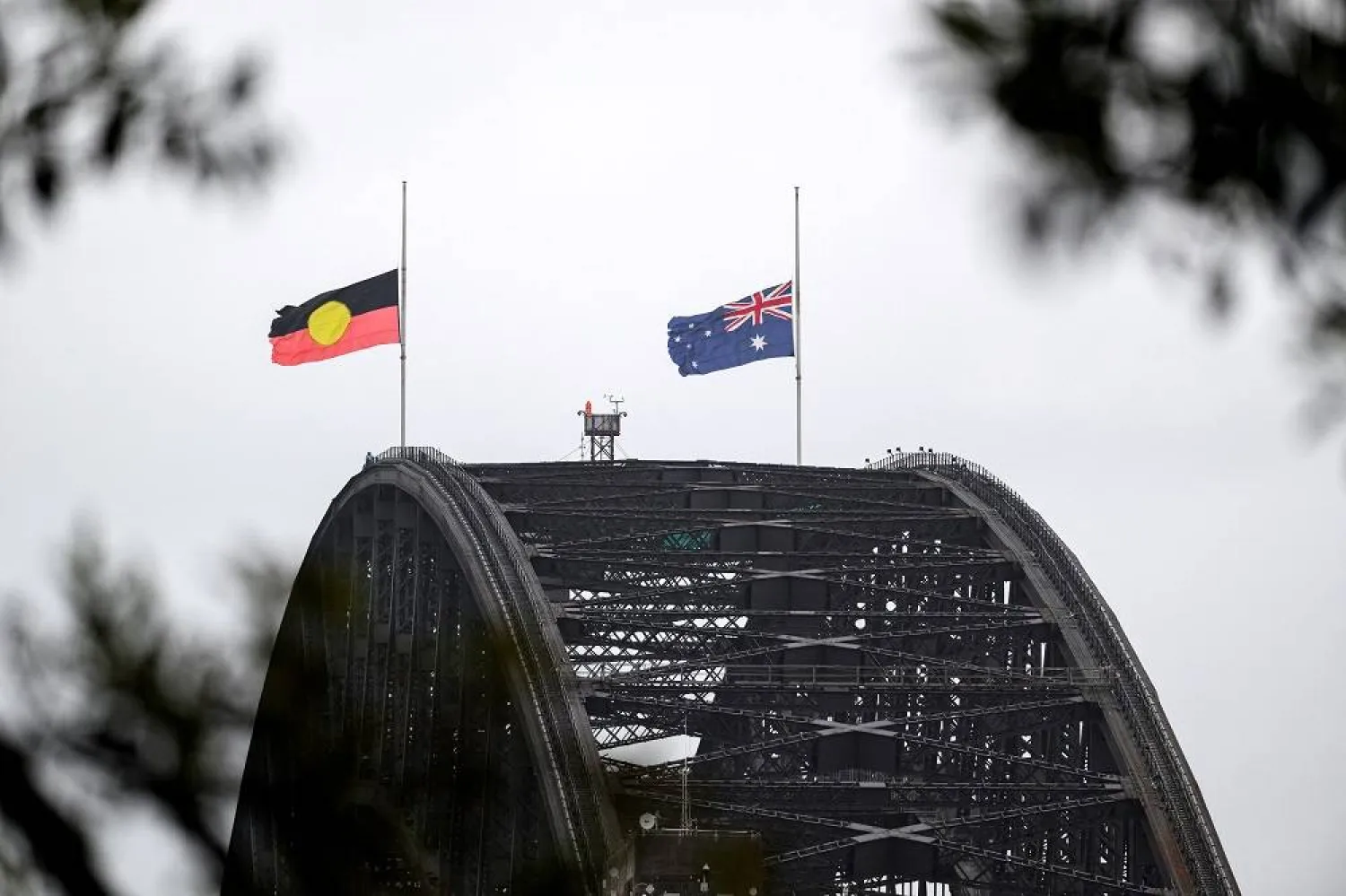
I write this not as an analyst behind a desk, nor as someone encountering mass violence for the first time, but as someone who grew up in a country where guns were normal, soldiers were familiar, and killings became routine background noise. That country remains under military dictatorship as I write this. Violence there is expected, and that perspective shapes how I reflect on Australia today.
The recent Bondi attack should not be seen merely as an isolated act of terror. It is a test: whether Australia responds as a confident, democratic society grounded in constitutional values, human rights, and national security principles, or whether fear-driven habits quietly erode trust and social cohesion.
Prevention Is Not Weakness
In war-torn societies, violence is often met with more force, more weapons, more authority, more coercion. Yet decades of experience show that violence rarely emerges suddenly; it grows where grievances fester, where dehumanising narratives are ignored, and where early warning signs are dismissed.
Australia’s intelligence and security agencies are highly capable. But the challenge is not greater aggression; it is precision. Prevention – through behavioural risk assessment, early mental health intervention, community engagement, and human-centred information sharing, is not weakness. It is essential. Failures often occur not due to lack of surveillance, but because interventions come too late.
Australia’s gun laws are internationally respected, but laws alone are not enough. Licences must be conditional and reviewed when credible behavioural or ideological risks arise. In countries like Myanmar, firearms became symbols of grievance and identity, often with deadly consequences. Prevention, not punishment, saves lives while avoiding the militarisation of society. The Bondi attack is a reminder that vigilance must continue.
Trust, Community, and Transnational Threats
Extremism is a behavioural problem, not an ethnic or religious one. Collective suspicion erodes intelligence cooperation, social cohesion, and trust. Diaspora communities, such as Australia’s Myanmar diaspora, are particularly vulnerable to hybrid threats, including foreign surveillance, infiltration, intimidation, and disinformation.
As documented in my report Threats to the Myanmar Community in Australia by the Myanmar Military Junta (2024), during a meeting with officers from the Australian Government on 17 October 2024 regarding the Countering Foreign Interference Communities Agency, I highlighted that the Myanmar military regime has deployed informants, infiltrators, disinformation agents, and intimidation tactics within the Australian Myanmar diaspora. These activities constitute a form of transnational repression that the current SOCI framework does not adequately address.
While the Act functions effectively for large infrastructure operators, it does not extend sufficient protections, guidance, or support to civil-society organisations or diaspora communities who are often targeted by foreign actors seeking influence or intelligence. This creates unintended vulnerabilities and risks to Australia’s social cohesion, information security, and community resilience.
Community organisations and grassroots networks often act as de facto infrastructure for vulnerable populations, yet they receive limited guidance or protection. The Bondi incident demonstrates that security is more than walls and fences, it is the strength and resilience of communities themselves.
Radicalisation increasingly occurs online, through grievance narratives, algorithmic amplification, and echo chambers that dehumanise targets. While Australia has legal tools to address harmful content, these mechanisms alone are insufficient. Digital literacy, platform accountability, and early disruption of violent narratives are essential to remain preventive rather than reactive.
Emergency powers and expanded security measures must always be time-limited, independently overseen, and transparently justified. Military regimes rarely seize power overnight; authority expands incrementally under the guise of necessity. Australia must resist this instinct. Democracy is strongest not when calm prevails, but when restraint is exercised under pressure.
Conclusion
Violence tests more than security systems: it tests values. How Australia responds to Bondi, and how it protects vulnerable communities from hybrid threats, will define both policy and culture. Countries like Myanmar did not lose peace in a single moment – they lost it gradually, through fear-driven decisions that seemed reasonable at the time.
Australia still has the advantage of choice. The question is not whether every act of violence can be prevented; the question is whether Australia can respond in ways that prevent violence from becoming normalised while upholding democracy, human rights, and social cohesion. That choice, exercised consistently, defines the difference between a society that endures and one that quietly unravels.
Making a donation is the ultimate sign of solidarity. Actions speak louder than words.
© 2022 The Australia Myanmar Institute for Democracy, Human Rights and Peace Limited (AMIDHRP).
All rights reserved. Design by NWD.