ABSTRACT
The preservation and revival of indigenous writing systems is a pivotal endeavor in maintaining cultural identity, fostering intergenerational connections, and protecting linguistic diversity. For the Zo people, the Zotuallai script -- a unique alphasyllabic writing system -- embodies centuries of cultural heritage and linguistic richness. Despite its historical significance, the script had been marginalized for many years, losing its place in the daily lives of the Zo people. However, in recent years, Zotuallai has experienced a notable resurgence, driven in part by the rapid development of modern communication technologies. The increasing availability and affordability of electronic devices, along with the proliferation of accessible internet services, have enabled broader access to information and educational resources related to the script.
The digital era has played a crucial role in reigniting interest in Zotuallai. Online platforms, scholarly websites, and forums dedicated to the script have helped catalyze a renewed global interest. As a result, many members of the Zo community, both within and outside their traditional homeland, are reconnecting with their cultural roots. These digital spaces have served as vital tools for disseminating knowledge, promoting linguistic pride, and facilitating historical inquiry, further enhancing awareness of the Zo people’s cultural and linguistic heritage.
However, despite this revitalization, Zotuallai faces significant and ongoing challenges that jeopardize its long-term survival. One of the most pressing issues is the misrepresentation of the script and the uncontrolled spread of inaccurate or incomplete information. In the absence of rigorous academic study and reliable sources, misconceptions about the script’s history, structure, and purpose have flourished. Furthermore, some individuals, upon learning the script, argue that it is not fully suited for modern Zomi languages, particularly as these languages evolve to incorporate new words and concepts that were not present in historical contexts. This has led some to propose revisions or standardization efforts to make the script more compatible with contemporary linguistic needs. While standardization could aid in the script’s modern applicability, such efforts may risk altering its intrinsic character and cultural significance.
Compounding these challenges are concerns about the potential appropriation of Zotuallai by political factions and interest groups. Some of these groups, driven by motivations ranging from political to economic, have attempted to claim ownership of the script, sometimes distorting its history or inventing speculative narratives to suit particular agendas. These efforts to co-opt Zotuallai could undermine its cultural authenticity and further fragment its usage within the Zo community.
To prevent Zotuallai from disappearing into obscurity, immediate and strategic interventions are needed. The script’s preservation and revitalization require a multifaceted approach: it must be formally standardized, properly documented, and integrated into daily use in educational and cultural contexts. The development of educational materials and the introduction of the script into schools and community programs would help foster widespread usage, while digital tools could facilitate greater interaction with the script in modern contexts. Additionally, the continued use of Zotuallai in online platforms and digital media could provide a valuable avenue for its wider adoption, particularly among younger generations.
Raising public awareness and nurturing a collective sense of ownership are also key to ensuring the script's sustained relevance. This involves not only educating the Zo people about the significance of Zotuallai but also creating spaces for dialogue and collaboration to strengthen its position in the contemporary linguistic landscape. The future of Zotuallai is uncertain, and addressing the challenges it faces requires a deep understanding of its cultural, historical, and linguistic roles within the Zo community.
The continued survival of Zotuallai hinges on the community’s ability to balance modernization with cultural preservation. By examining the steps taken to safeguard and revitalize the script, and exploring how it can be adapted to meet the needs of the modern Zomi language, we can better ensure that Zotuallai thrives in the digital age. Through concerted efforts in documentation, standardization, and public engagement, Zotuallai can remain a living testament to the Zo people’s linguistic and cultural heritage, resisting the forces of globalization that threaten indigenous languages and scripts worldwide.
INTRODUCTION
In Anshuman Pandey's Preliminary Proposal to Encode the Pau Cin Hau Alphabet in ISO/IEC 10646 (2010, p. 2), the author addressed an important issue in the ongoing efforts to document and standardize indigenous scripts: the absence of a native name for the writing system commonly referred to as the "Pau Cin Hau script." This term had been used as a provisional designation, but Pandey proposed the adoption of the term Zotuallai as a more culturally resonant and inclusive substitute. His suggestion aimed to replace the external, non-native term with one that better reflects the identity and heritage of the Zo people. By using Zotuallai, Pandey not only provided a more accurate name but also acknowledged the need to develop a standardized, culturally appropriate way of referring to this script, a crucial step in the preservation and revitalization of indigenous languages and traditions.
The historical background of Zotuallai is intimately tied to the arrival of the British in the northwest region of mainland Southeast Asia, where they encountered the Zo people, an indigenous group with a rich linguistic and cultural heritage. Early European observers and colonial administrators noted the presence of a unique and functional writing system used by the Zo people. Scholars like Go (2008) and Pandey (2011) have explored the significance of these indigenous scripts in understanding ancient Zomi history, providing valuable insight into the evolution of the language and its written forms. However, despite the importance of these writing systems, the influence of colonialism, particularly the introduction of the Roman alphabet, had a profound impact on indigenous scripts across the region. Rev. W. Sherratt and anthropologist Anthony F.C. Wallace expressed concern over the decline in the use of indigenous writing systems among the minority groups in Southeast Asia, attributing this phenomenon to the colonial introduction of the Roman alphabet. The missionaries, in their efforts to evangelize and spread Christianity, sought a more efficient way of communicating with indigenous peoples, leading them to adopt the Roman alphabet in place of traditional writing systems. While this move facilitated proselytization, it also inadvertently contributed to the marginalization of indigenous languages and scripts, including Zotuallai.
In the period following the introduction of the Roman alphabet by Christian missionaries, Zotuallai initially coexisted with the newly adopted script. For a time, both writing systems were used in parallel, reflecting the dual influence of indigenous traditions and colonial imposition. However, over time, the Roman script became increasingly dominant, supported by missionary efforts and colonial administration, which favored the new alphabet for religious, educational, and administrative purposes. As a result, Zotuallai was gradually overshadowed, relegated to a secondary position in everyday use and increasingly forgotten by younger generations. The decline of Zotuallai paralleled the broader erosion of indigenous practices and languages across Southeast Asia as a result of colonization and the global spread of the Roman alphabet.
Despite these challenges, Zotuallai has experienced a remarkable resurgence in the 21st century, marking an important shift in the cultural landscape of the Zo people. This revival is especially significant given the global dominance of the Roman alphabet and the widespread use of it in both digital and print media. The renewed interest in Zotuallai reflects a broader desire among the Zo people to reclaim their linguistic heritage and reconnect with their cultural roots. Initiatives aimed at preserving and revitalizing Zotuallai are taking shape, driven by a growing sense of cultural identity and the recognition of the importance of indigenous knowledge systems.
The historical suppression of Zotuallai, particularly during the colonial period, was largely a result of the missionary-driven effort to replace indigenous writing systems with the Roman alphabet. This shift was not only a consequence of colonial policy but also a reflection of the missionaries' belief that the Roman script was a more efficient tool for spreading Christianity. Despite the overwhelming influence of the Roman alphabet during the colonial era, Zotuallai managed to endure, preserved within the traditions, oral histories, and cultural practices of the Zo people. As the Zo community continues to navigate the complexities of modern identity, Zotuallai remains a symbol of resilience and a critical part of the community’s linguistic and cultural heritage.
Today, Christianity is widespread among the Zo people, with many adhering to the faith, although traditional beliefs still hold significance for some members of the community. As the future of Zotuallai remains uncertain, important questions must be addressed regarding its preservation and adaptation. What measures are being taken to ensure its survival? How can Zotuallai evolve to meet the needs of contemporary Zomi languages and speakers? What role can modern technology, including digital platforms, play in the standardization and promotion of Zotuallai? These questions are essential to determining the future of Zotuallai, as they will shape its ability to endure and thrive in an ever-changing world. By embracing technology and cultural preservation efforts, the Zo people can safeguard their indigenous script and ensure its continued relevance for future generations.
HISTORICAL BACKGROUND
In the late 1980s and early 1990s, Rev. W. Sherratt and Anthony Wallace voiced concerns over the lack of systematic documentation of Zotuallai by Western missionaries. Their reflections highlighted a significant gap in the preservation of this indigenous script, which had been largely overlooked by both academic and missionary circles. However, in recent years, a notable increase in information collection and research spanning several centuries has occurred, contributing to a more comprehensive understanding of Zotuallai’s cultural and historical context. Contemporary scholars, along with members of the Pau Cin Hau religious sects, have taken proactive steps to document and publish various materials, including articles and books, that explore the background, origins, and significance of Zotuallai.
While much progress has been made in terms of understanding the script's historical importance, this analysis does not primarily focus on the script's origins or the early history of its development. Instead, it aims to address the current challenges that Zotuallai faces in today’s world. To provide a more in-depth analysis of these challenges, an illustrated historical context is included, which serves as a starting point for further revision and understanding of the script's evolution.
The wealth of information collected in recent years reflects a resurgence of interest in Zotuallai, allowing for a nuanced exploration of its development and the issues it currently confronts. Although the script was once neglected, contemporary efforts have contributed to a more informed discourse regarding its cultural and linguistic significance, as well as the obstacles it must overcome for long-term survival. This analysis seeks to shed light on Zotuallai's current status, its challenges, and the efforts required to preserve and revitalize this vital part of Zo heritage.
Precolonial Literacy and the Loss of Ancient Scripts
The Zomi people, indigenous to the northwest region of mainland Southeast Asia, boast a rich and diverse history, one that is deeply intertwined with their culture, traditions, and language. Despite facing external pressures such as territorial occupation and the exploitation of natural resources by foreign powers, the Zo people have managed to preserve and strengthen their unique cultural identity over time.
In the pre-colonial era, the Zo people utilized an ancient script known as Lai, which was primarily documented on animal skin scrolls. However, this script was lost under tragic circumstances when a dog allegedly consumed the scrolls, resulting in the abandonment of written records. As a consequence, the Zo people turned to oral traditions -- such as storytelling, songs, and riddles -- to preserve their history, customs, and cultural knowledge. Due to this reliance on oral traditions, there are no written historical records of the Zo people that predate the arrival of British imperialists in their territory.
The Introduction of Zotuallai and Its Cultural Significance
In the late 18th and early 19th centuries, the introduction of Zotuallai, an alphasyllabic script, marked a significant revival in the Zo people's literacy. The script was created by Pau Cin Hau, a spiritual and religious leader who claimed to have received the script from God in a dream in 1902. Pau Cin Hau's revelation led to the establishment of the Laipian religion, which translates to "origin of Lai (script)." This new script was used not only to record religious texts but also to represent the Zo language in written form.
Initially, Zotuallai was primarily used by the Zo people in Chin State and Kale in Sagaing Division of Burma (Myanmar). Over several decades, its use expanded to neighboring regions, including Mizoram and Manipur in India, further solidifying its role as a vital cultural and linguistic tool.
The term Zotuallai translates to "Zo Indigenous Script," with its characters representing a blend of consonants, vowels, and entire syllables. Zotuallai's prominence grew significantly due to the meticulous documentation of religious and cultural materials in a book known as "Pasian Thubu." This compilation includes hymns, creation stories, and revelations, contributing to the script’s continued use in the religious practices of Pau Cin Hau's followers.
Zotuallai’s Role in Religious Texts
The enduring relevance of Zotuallai was particularly evident in 1931, when the British and Foreign Bible Society published the "Sermon on the Mount" from the Gospel of St. Matthew in Zotuallai. This publication, printed in Rangoon, marked a significant milestone in the history of the script, highlighting its importance not only as a medium for communication but also as a means of preserving sacred religious teachings. The Sermon on the Mount, a cornerstone of Christian doctrine, was translated into Zotuallai to aid in the spiritual development of Pau Cin Hau's followers.
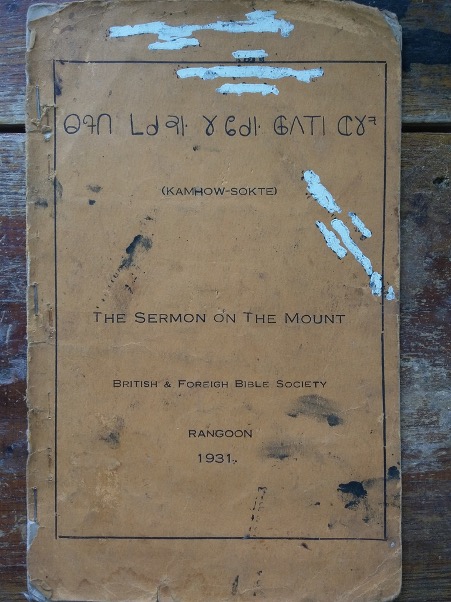
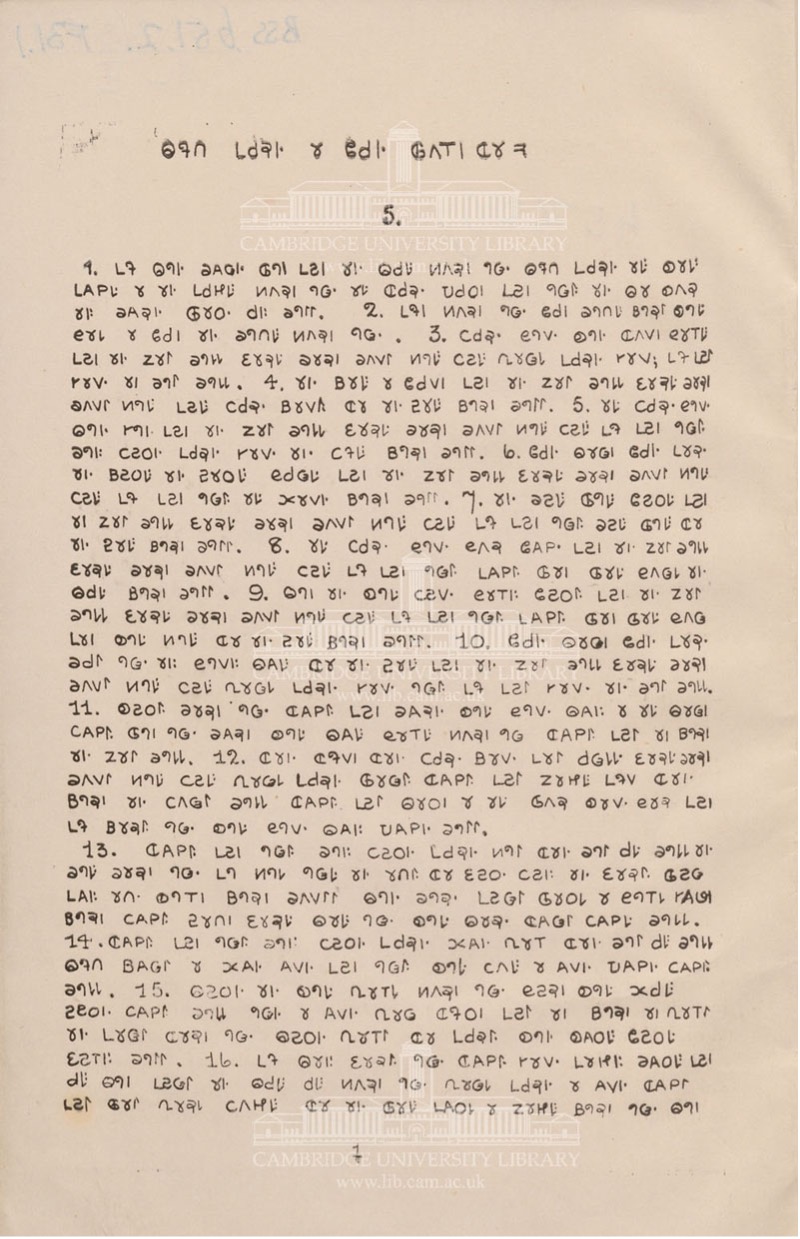
Figure 1: Page of the “Sermon on the Mount” in the Pau Cin Hau alphabet (from British and Foreign Bible Society 1931: 1)
A page from this 1931 publication, which features the "Sermon on the Mount" written in Zotuallai, serves as a historical artifact that illustrates the script’s application in both religious and literary contexts. The inclusion of biblical passages in Zotuallai underscores its significance as a script used for both everyday communication and sacred purposes among the Zo people. This document not only highlights the script’s versatility but also reflects its integral role in the spiritual life of the Zo community.
Cultural and Linguistic Revitalization Efforts
The publication of religious texts like the Sermon on the Mount in Zotuallai was just one of many efforts aimed at integrating the script into the cultural and religious fabric of the Zo community. Over time, the script began to be used for a broader range of purposes, from personal correspondence to educational materials, further embedding Zotuallai into the daily lives of its users.
In the decades since, the Zo indigenous community has embarked on an extensive journey of language and script revitalization. This process, although long and often fraught with challenges, is vital to the survival of Zotuallai. Today, revitalization efforts are more sophisticated, with an emphasis on incorporating the script into modern educational curricula, digital platforms, and media, ensuring that it remains a living language.
This revitalization effort not only seeks to preserve the linguistic heritage of the Zo people but also aims to reintegrate Zotuallai into the broader social, cultural, and religious practices of the community. As the Zo people continue to reclaim and reassert their linguistic and cultural identity, the future of Zotuallai will depend on the ongoing dedication of scholars, religious leaders, and community members committed to its preservation.
Studying Indigenous Customs: From the Colonial Era and the Modern Age to National Reclamation and Traditional Printing
Zotuallai, the indigenous writing system of the Zo people, served as a vital tool of communication and cultural expression long before the advent of Western missionaries and the influence of foreign ideologies. Created by Pau Cin Hau, a visionary figure credited with the development of the script, Zotuallai features two distinct writing systems: a logographic script and an alphabetic script. These scripts reflect the depth and complexity of the Zo people’s cultural and linguistic traditions.
The logographic script, consisting of 1,050 characters, was derived from a religious text known as pasian thubu, which was central to the Siansawn religious sect. This script offered a rich symbolic representation of the Zo language and their spiritual beliefs. The alphabetic script, on the other hand, is a more streamlined version designed for broader use. It includes 57 characters, with 21 consonants, 7 vowels, 9 final consonants, and 20 tonal, length, and glottal marks (see Fig 2). While the logographic script has yet to be encoded in digital systems, the alphabetic script found its place in Unicode 7.0 (see Fig 3), ensuring its integration into modern technological platforms.
Zotuallai adheres to a left-to-right writing direction, with spaces marking word boundaries. Pau Cin Hau’s contributions extended beyond the scripts themselves, as he also introduced a set of numerals (see Fig 3) that resembled the Latin and Burmese numeral systems. This typological relationship mirrors that of other writing systems such as Pahawh Hmong, which shares visual similarities with both Lao and Latin scripts, despite encoding distinct phonological values (History of Pau Cin Hau’s Siangsawn Pasian religious sect, 2013). Pau Cin Hau’s innovations in both script and numerals reflect the profound cultural and religious significance of Zotuallai in the Zo community.
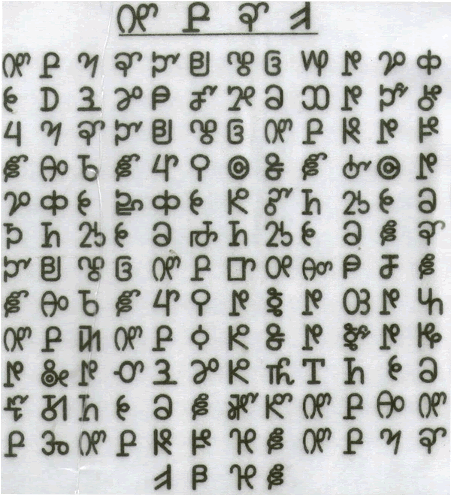
Figure 2: The logographic script of Zotuallai (Tuang, 2020, pp. 32)

Figure 3: The alphabetic script of Zotuallai (Tuang, 2020, pp. 34)
During the era of colonization and the arrival of Christian missionaries, the Zo people encountered a shift in their linguistic landscape. Missionaries introduced formal education through the Roman script, using it as a tool for evangelization. Simultaneously, they discouraged the use of Zotuallai, the Zo people's well-established writing system, viewing it as a barrier to their missionary goals. The Roman script became the primary medium for communication, deeply intertwined with the spread of Christianity. As a result, Zotuallai’s usage and development suffered a sharp decline. The Roman alphabet, alongside Christianity, took root in the traditions and culture of the Zo people, shaping the linguistic and cultural practices passed down to subsequent generations.
This historical shift highlights the clash between indigenous writing systems and colonial influence. The missionaries’ preference for the Roman script, driven by their desire to expedite proselytization, not only altered the linguistic fabric of the region but also had long-lasting effects on the Zo people's cultural identity. The Roman script continues to hold a dominant role in shaping the Zo community's educational and religious practices, leaving an indelible mark on the community's linguistic heritage.
However, despite the dominance of the Roman script, Zotuallai did not disappear immediately. Both scripts coexisted for a time, with the Roman alphabet gradually surpassing Zotuallai in prevalence. The Roman script’s widespread adoption by missionaries and colonial authorities played a key role in its ascendancy, but Zotuallai did not fade entirely. The script persisted, albeit in a marginalized form, throughout the colonial period and beyond.
Zotuallai’s resilience in the face of the Roman script’s dominance is particularly noteworthy in the 21st century, as the script has experienced a significant resurgence. This resurgence can be attributed to several factors, including cultural revitalization efforts, an increased awareness of linguistic diversity, and a renewed interest in preserving indigenous languages and their corresponding scripts. Despite the global prevalence of the Roman alphabet, the revival of Zotuallai underscores the Zo people's determination to reclaim their cultural heritage.
The resurgence of Zotuallai is further amplified by the increasing interest in linguistic and cultural preservation. As contemporary global discourse increasingly emphasizes the importance of safeguarding indigenous languages, Zotuallai's revitalization represents a critical effort to maintain the Zo people's cultural identity. The coexistence of Zotuallai and the Roman script reflects the complex interplay between cultural heritage, language preservation, and external influences. This dynamic provides valuable insights into the ways in which the Zo community has adapted to historical changes while maintaining a connection to their cultural roots.
In the context of the Zo people’s religious transformation, the arrival of Christian missionaries has led to a widespread adoption of Christianity. Today, a significant portion of the population identifies as Christian, although there remains a minority that continues to follow indigenous, traditional, or primal faiths. Despite this shift, the future of Zotuallai remains uncertain, with lingering questions about its preservation and adaptation to contemporary linguistic needs.
Efforts to preserve and revitalize Zotuallai involve several initiatives. These include documenting and archiving existing materials in the script, creating educational programs to ensure that younger generations learn the writing system, and raising awareness about its cultural and historical significance. Efforts to incorporate Zotuallai into modern educational curricula, encourage its use in literature and media, and promote its active use within the community are essential to its revitalization.
Adaptation of Zotuallai to modern Zo languages presents both challenges and opportunities. While there is a need to preserve the authenticity of the script, it must also evolve to accommodate the linguistic changes and communication needs of the Zo community. Advances in digital technology and standardization efforts can facilitate the continued development of Zotuallai by providing platforms for its use, enabling Unicode support, and creating collaborative tools that enhance its accessibility.
The future of Zotuallai depends on the collective action of the Zo community, scholars, cultural advocates, and technologists. Preserving, revitalizing, and adapting Zotuallai requires a multifaceted approach that balances respect for its historical significance with the possibilities offered by the contemporary world. Only through these concerted efforts can the Zo people ensure that Zotuallai endures as a living testament to their linguistic and cultural heritage in an increasingly globalized world.
Controversy over Reviving Zotuallai
In the contemporary global landscape, many indigenous scripts and languages have either faded into obscurity or faced considerable neglect as societies moved into the new millennium. The growing imperative to preserve these linguistic forms has become increasingly evident, as it not only involves safeguarding the distinctiveness of languages but also acknowledges their crucial role in the cultural and historical identity of their communities. This shift toward linguistic preservation underscores the need to address the challenges of maintaining indigenous scripts like Zotuallai, particularly in an era where globalization and technological advancements are reshaping communication norms.
The disappearance or marginalization of many languages and scripts highlights the urgency for systematic preservation efforts. These initiatives go beyond mere linguistic documentation; they aim to protect the broader cultural and historical contexts tied to these scripts. In this regard, indigenous languages and their scripts are not only carriers of communication but also of unique worldviews, traditions, and ancestral knowledge. Preserving them requires multifaceted strategies, including education, digital documentation, and the creation of policies that promote linguistic diversity while addressing the dynamics of a globalized world.
Among the significant challenges to preserving indigenous scripts is the integration of these systems with majority languages. While indigenous scripts serve as powerful tools for cultural expression, their adaptation to the modern world often necessitates their integration into broader linguistic frameworks. This process must strike a balance between preserving the authenticity and identity of the original script while ensuring its continued relevance in the face of technological advancements and globalization. Such efforts often involve overcoming practical obstacles such as the development of modernized fonts, the inclusion of scripts in digital platforms, and the training of educators to teach these languages effectively in the 21st century.
The case of Zotuallai, the indigenous script of the Zo people, is a prime example of this delicate balancing act. While the script faces significant risks, it also represents an essential element of the Zo people's heritage. According to the UNESCO Atlas of the World's Languages in Danger (Moseley, 2012), a large number of languages are at risk of extinction. The Atlas reports that 646 languages are "definitely endangered," 528 are "severely endangered," and 576 are "critically endangered." These alarming statistics underscore the vulnerability of linguistic diversity and highlight the urgent need for revitalization and preservation efforts worldwide.
However, the Zo people have shown resilience in the face of these challenges. They have embarked on a proactive campaign to revive and integrate Zotuallai into their cultural and linguistic practices. This initiative is not just about the revival of a script, but about reclaiming and celebrating their linguistic and cultural identity in the context of the modern world. By doing so, they offer an inspiring example for other communities grappling with similar struggles to preserve their languages and scripts.
Despite this positive movement, there is ongoing controversy surrounding the role of Zotuallai in modern Zo society. One of the primary points of contention arises from its historical ties to the Siangsawn religious group. Some scholars argue that Zotuallai was created by Pau Cin Hau, the founder of both Zotuallai and the Siangsawn faith, thus connecting the script to religious practices and beliefs (Mang, 2013). This has led to a divide within the Zo community, with some advocating for the widespread adoption of Zotuallai as a means to promote the Zo language and cultural identity, while others resist its use, viewing the script as irrelevant to the broader Zo culture.
Historically, Zotuallai was the primary script used by the Zo community for documenting their language, before the widespread adoption of the Roman alphabet in the 20th century. This shift represents a significant transition in the linguistic practices of the Zo people, marking the beginning of a period where their indigenous script was increasingly overshadowed by external influences. Nonetheless, Zotuallai continued to play a crucial role in documenting the language and was used for various purposes, including religious texts and correspondence.
The discovery of Baptist documents from 1931-1932 in Burma reveals the broad scope of Zotuallai’s application. These documents show that the script was not solely confined to Siangsawn religious literature but had also been used for transcribing Christian texts. This historical evidence underscores the adaptability and versatility of Zotuallai, revealing that it was a significant part of the Zo people's literary and religious landscape.
The outbreak of the World Wars, however, disrupted plans to reintroduce Zotuallai to a wider audience. The global conflicts shifted societal priorities, with nations focused on rebuilding and recovering from wartime devastation. As a result, the revitalization of Zotuallai was delayed, and the script continued to be sidelined in the larger narrative of Zo cultural preservation. Despite these setbacks, Zotuallai resurfaced in 1931 when Reverend W. Sherratt, representing the British and Foreign Bible Society, printed the "Sermon on the Mount" in Zotuallai in Rangoon. This event marked a pivotal moment in the script's history, bringing it back into the public consciousness and reigniting interest in its cultural significance.
Further historical evidence of Zotuallai’s use during the early 20th century comes from the Labour Corps during World War I. As noted by Piang (Shodhganga Inflibnet, 2005), members of the Labour Corps used Zotuallai to communicate with their families, demonstrating its practical application even in times of war. Additionally, after the war, Zotuallai was employed to draft a "Charter of Demands" presented to G.V. Fowler, a British official overseeing the Labour Corps. This historical artifact highlights the script’s utility and significance during pivotal moments in the Zo people’s history.
The existence of a monumental stone erected in 1920 in Lailui village, bearing inscriptions in Zotuallai, further substantiates the script’s historical importance. This stone serves as a tangible artifact, providing evidence of the script’s integration into the Zo people's cultural and historical narrative. The inscription on the stone contributes to the documentation of Zotuallai and provides a lasting testament to its role in the Zo community’s linguistic heritage.
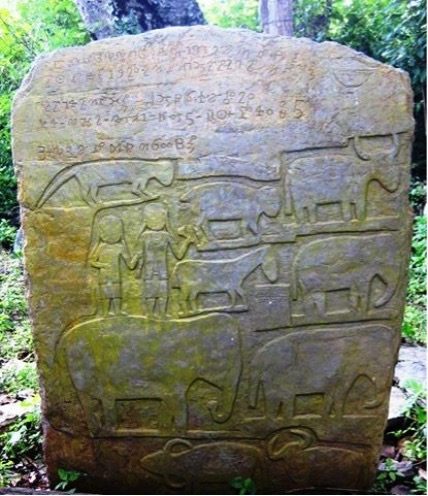
Figure 4: (Monumental stone with an inscription of animals and Zotuallai, erected in 1920 in Laitui village, Chin State)
The controversy surrounding the revival of Zotuallai is multifaceted, involving historical, religious, cultural, and linguistic dimensions. The Zo people’s efforts to reclaim and reintegrate their indigenous script highlight the broader challenges faced by many communities in preserving their unique linguistic and cultural legacies. While the path to revitalizing Zotuallai is fraught with debates and challenges, the ongoing efforts of the Zo community provide a promising model for other indigenous groups seeking to preserve their languages and scripts in a rapidly changing world.
The perspective shared in this narrative emphasizes a thoughtful and balanced approach to the revitalization of Zotuallai, highlighting both its importance and its place within a broader cultural and historical context. It begins by recognizing the transformative role played by the Roman script and Christianity, introduced by Western missionaries, in shaping the Zo people’s contemporary identity. These elements are acknowledged as significant catalysts that facilitated cultural integration and modernization, transforming the Zo community from their historical image as "head-hunters" to a more enlightened and universally recognized identity as "Christian Zo people." This shift is seen not as a rejection of their past but as an adaptation that allowed them to fit more seamlessly into the larger national and global context. The Roman script and Christianity are appreciated for the opportunities and advancements they brought, especially in terms of literacy, education, and exposure to new ideas, which collectively fostered a sense of progress and cultural development.
However, alongside this acknowledgment, the narrative firmly emphasizes the irreplaceable value of Zotuallai. It is not merely a writing system; it is portrayed as a living testament to the history, cultural heritage, unique values, identity, and collective destiny of the Zo people. Zotuallai is seen as deeply connected to the core of the community’s existence, encapsulating the essence of who they are, where they come from, and their vision for the future. The argument is made that to deny Zotuallai would be to erase a significant part of the Zo people's soul and identity, resulting in the loss of a fundamental connection to their past. This reinforces the point that revitalizing Zotuallai is not about resisting modernization or the positive contributions of the Roman script and Christianity but about preserving something essential to the very identity of the Zo community.
This nuanced perspective calls for the revitalization of Zotuallai, not as an opposition to the Western influences of the Roman script and Christianity, but as a complementary and equally important effort to protect the unique cultural and historical heritage of the Zo people. It encourages a harmonious balance, where both Zotuallai and the Roman script can coexist as integral components of the evolving narrative of the Zo community. The idea is to cherish the contributions of modernity while also honoring the ancient script that encapsulates the Zo people’s indigenous worldview, values, and connections to their ancestors.
Moreover, the statement clarifies that Zotuallai is not inherently tied to any specific religion or belief system, such as Laipian’s religion. It asserts that Zotuallai is a cultural artifact, a national heritage that transcends religious boundaries. This is crucial in dispelling any misconceptions that may arise, as some may attempt to associate Zotuallai solely with one belief system, thereby limiting its significance. Instead, Zotuallai is celebrated as a symbol of the Zo people’s collective history and identity -- a representation of the past, a marker of the present, and a bridge to the future. It is portrayed as a unifying force that holds the potential to overcome historical misunderstandings and divisions within the Zo community, acting as a cultural anchor that brings together different generations and regions of the community.
The notion of reconciliation is also central to the discussion, as it suggests that Zotuallai can help heal past rifts by offering a shared cultural foundation. It has the potential to reunite the Zo people, allowing them to move forward with a renewed sense of pride and solidarity. By preserving Zotuallai, the Zo people ensure that they are not only safeguarding their language but also fostering a sense of belonging and unity across time and space.
In light of the challenges Zotuallai faces in maintaining relevance among younger generations, efforts to revitalize the script have become increasingly important. Various stakeholders, including anthropologists, linguists, and organizations such as the Zomi Language & Literature Society (ZOLLS) and the Zomi Development Foundation (ZDF), have taken steps to safeguard and promote Zotuallai. These initiatives include workshops, awareness campaigns, and educational programs designed to instill a sense of cultural pride and ensure that Zotuallai remains a living, dynamic part of the Zo people’s daily life. The goal is not just to prevent the script from fading away, but to ensure that it thrives and evolves in ways that are meaningful to the younger generation, enabling them to use it as a tool for connection and cultural expression in the modern world. These efforts underscore the importance of collective responsibility in preserving a community's linguistic and cultural heritage, and they highlight the ongoing relevance of Zotuallai as an emblem of the Zo people’s identity, history, and future.
Through these efforts, Zotuallai can continue to serve as both a bridge to the past and a vital part of the Zo people’s journey into the future, ensuring that this treasured cultural heritage is preserved for generations to come.
Pre-Internet Zotuallai: Strategies for Successful Revival and Continuation Among the Zo People
In the latter half of the 20th century, the world witnessed significant advancements in a variety of sophisticated technologies, marking a transformative era in human history. The rapid development of computer systems, printing technologies, mass communications, and transportation reshaped the global landscape, ushering in what is now known as the digital age. These advancements revolutionized the speed and scope at which information, ideologies, and cultural movements could be disseminated, laying the foundation for the eventual rise of the internet in the mid-1990s.
During this transformative period, several efforts were made to introduce and modernize the Zotuallai script, the indigenous writing system of the Zo people. However, these early attempts were characterized by the unofficial introduction of modified versions of the script, with the intention of adapting it to fit contemporary needs. The idea was to modernize Zotuallai so it could function more effectively in a rapidly changing world, with the hope of making it more accessible to younger generations and compatible with evolving technological tools.
Writers and linguistic enthusiasts, motivated by a desire to rejuvenate the script, introduced various proposals for changes to Zotuallai. However, these modifications often lacked sufficient rationale or comprehensive explanations. Many of these proposals were simply presented as “new versions” of the script, without providing clear justification for the changes or offering detailed insights into how they would improve the system. The presumption was that the Zo community would readily accept these revisions as they were, without addressing any potential concerns or resistance from the community.
One of the key drawbacks of these early proposals was the absence of an in-depth scholarly examination or empirical research to support the suggested changes. The modifications were introduced without proper citations or references to existing linguistic studies, making it difficult for the community to critically engage with the new versions. More importantly, these initiatives were carried out without involving the broader societal stakeholders, particularly the social conservatives and cultural custodians who had a vested interest in the preservation and integrity of Zotuallai. The lack of consultation with these key groups meant that the proposed revisions were perceived as disconnected from the cultural and social realities of the Zo people.
Consequently, these unofficial versions of Zotuallai failed to gain widespread acceptance or official recognition. While the intentions behind these efforts may have been well-meaning, the lack of consensus and failure to adequately consider the concerns of all community members resulted in a fragmented and often rejected approach to modernization. Furthermore, the rapid pace of technological advancements and the growing influence of globalized culture presented additional challenges, further complicating the successful adaptation of Zotuallai to modern times.
In retrospect, the lessons learned from these early attempts at reforming Zotuallai highlight the need for a more inclusive and collaborative approach when reviving indigenous writing systems. To ensure the continued relevance of Zotuallai in the digital age, future efforts must prioritize community engagement, scholarly validation, and a deep respect for the cultural and historical significance of the script. Without such careful considerations, any attempts to modify Zotuallai risk alienating key groups within the Zo community and undermining the script’s long-term survival.
MODERN ZOTUALLAI
In the present era, characterized by rapid technological advancements and widespread access to digital infrastructure, electronic devices and the internet have an undeniable influence on younger generations. The ubiquity of modern digital culture has given rise to a globalized cultural landscape, shaping both domestic and international identities. Major international languages -- such as English, Chinese, Spanish, Japanese, Russian, and French -- dominate online platforms and smartphones, each supported by a robust and influential writing system that enables seamless communication and integration across diverse cultures.
This global digital environment presents significant challenges for indigenous cultures, including the Zo people, and their traditional writing systems. The overwhelming presence of technological influence and the socio-political shifts occurring both within the Zo territories and globally have raised an urgent question: How can these indigenous cultures and their unique writing systems navigate and thrive amidst the evolving technological landscape and the forces of global cultural assimilation?
The allure of electronic devices and the prevalence of dominant international languages create an ecosystem where indigenous languages and writing systems may face marginalization, if not complete extinction. In this context, finding sustainable strategies for preserving and promoting native languages and their scripts has become increasingly critical. Balancing the advantages of technological progress with the imperative to protect cultural diversity is no easy task. It requires coordinated efforts, educational initiatives, and active community engagement to ensure the endurance of indigenous cultures and their distinct linguistic legacies.
The long-term survival and vitality of indigenous cultures are inextricably linked to their ability to modernize while maintaining their traditional essence. This modernization must be approached with sensitivity to the cultural, historical, and linguistic values inherent in these communities. For the Zo people and their script, this means embracing a process that respects their indigenous practices, beliefs, and ways of life while incorporating modern influences in ways that preserve authenticity.
In the specific case of indigenous literature, which is intricately tied to the linguistic features of a community, contemporary modernization must be carried out with careful consideration to accuracy, fidelity to historical writing styles, and respect for typographic tradition. This includes preserving the integrity of typography and calligraphy, while also engaging with scholars and researchers to ensure that literature is documented, updated, and disseminated in ways that reflect both past and present practices.
Modernization efforts in this context must be carefully calibrated, so as to avoid disrupting the unique cultural identity of the Zo people. Radical changes to Zotuallai, in an attempt to align it with contemporary norms or digital trends, could prove detrimental to the preservation of its original form and its deep cultural significance. The challenge, then, lies in adapting the script for contemporary use without compromising the linguistic structures and cultural authenticity that make it such a vital part of the Zo people’s heritage.
A key strategy in modernizing and preserving indigenous scripts involves the adoption of advanced typographic techniques that incorporate both traditional features and modern design elements. These new approaches not only breathe fresh life into indigenous writing systems but also generate interest among a broader audience. Research, particularly from contemporary scholars like Anshuman Pandey, has played a pivotal role in developing new typographic designs for Zotuallai. Their contributions provide vital resources that inspire the ongoing revitalization of the script, ensuring that it continues to evolve while remaining true to its origins.
The rise of digital technology has brought Zotuallai into the global spotlight, providing a platform for greater visibility. However, the perception of Zotuallai as outdated or irrelevant, particularly among younger generations, has made it difficult to sustain interest in preserving the script and promoting the Zo language and culture. In response to this challenge, enthusiasts of Zotuallai have established online spaces -- such as Facebook groups and pages -- dedicated to the script's revival. These digital platforms serve as hubs for research sharing, discussion, and the promotion of Zotuallai’s development, particularly targeting younger generations.
This initiative is crucial given the growing disinterest among younger Zo individuals in their indigenous history. Many young people have become disconnected from the Zo language and its script, gravitating toward dominant cultures and societies. This generational disconnect risks eroding the unique identity of the Zo people, as they increasingly adopt mainstream cultural practices at the expense of their own heritage. Online platforms dedicated to Zotuallai offer a powerful way to bridge this gap, reigniting interest and facilitating cultural engagement.
Educating the younger generation about the importance of cultural preservation is more urgent than ever, especially for Zo children who have relocated from their ancestral homeland. These children, growing up in foreign countries, often experience a detachment from their cultural roots. Yet, through targeted educational efforts, they can be taught to appreciate the richness of their heritage and the value of their language and writing system. By fostering a deeper understanding of their cultural identity, these efforts can help young Zo individuals reconnect with their history, strengthening bonds with their parents and their community.
The promotion of cultural education is a powerful tool for empowering Zo children, instilling in them a sense of pride and belonging despite the challenges of cultural and geographical displacement. By embracing their unique cultural identity, these children can find solidarity with their community and create lasting connections to their heritage. This educational approach goes beyond language acquisition -- it is a means of ensuring that Zo children grow up with a profound sense of their cultural legacy, offering them both a sense of belonging and a deep connection to their ancestral roots.
As we consider the future of Zotuallai and its role in shaping the identity of the Zo people, we must recognize that the mastery of the script is not merely an academic exercise. It is, in fact, an essential component of cultural identity. Learning Zotuallai is a transformative process that allows young Zo individuals to connect with their ancestors, explore their linguistic heritage, and engage with their community’s cultural legacy in a way that is irreplaceable. It is through this engagement with Zotuallai that the younger generation can fully appreciate the richness of their heritage and the depth of their cultural identity.
The future of Zotuallai, like many indigenous writing systems, hinges on the ability to adapt to modern technological realities while maintaining a strong connection to cultural traditions. By leveraging digital tools and fostering a collaborative environment for research, education, and creative development, the Zo people can ensure that their language and script not only survive but thrive in the contemporary world.
Reviving Zotuallai: Possible Approaches
In the context of today’s rapidly evolving society, the effective promotion and preservation of Zotuallai -- an essential aspect of Zo cultural heritage -- requires a nuanced understanding of the factors that capture the attention and imagination of modern youth. As language and culture continue to evolve under the influence of globalization and technological advancement, it becomes increasingly vital to identify strategies that resonate with the younger generation. These strategies should empower them to value and honor their indigenous cultures, recognizing their relevance in an ever-changing world. The challenge, then, is to create meaningful connections between the younger generation and Zotuallai by adapting to their interests and preferences while ensuring that the script's cultural significance remains intact.
This approach must navigate the dynamic landscape of contemporary culture, recognizing that young people are shaped by a variety of influences, from global pop culture to technological innovations. To bridge this gap, there must be an effort to highlight the enduring cultural and historical significance of Zotuallai. The goal is not only to preserve it but also to instill a sense of pride and responsibility in safeguarding this heritage, ensuring that it continues to hold value in future generations’ identity and understanding of their cultural roots. In the face of rapid linguistic and cultural shifts, fostering this connection requires both a respectful approach to tradition and an innovative embrace of modern tools that facilitate its relevance.
Zotuallai Online Learning Program
The integration of digital platforms into the process of cultural preservation offers significant potential. In the current digital age, online education has emerged as one of the most effective methods to safeguard endangered languages, scripts, and traditions. Understanding the importance of this tool, several organizations have stepped forward with initiatives that use online platforms to promote and preserve Zotuallai for the younger generation. Prominent organizations such as the Zomi Language & Literature Society, Zomi Development Foundation, Zomi Siamsin Kipawlna-Kalay University, and the Zolai Facebook page have proactively initiated online seminars, workshops, and educational resources to engage youth in learning and appreciating Zotuallai. These initiatives aim to protect and pass on the script, ensuring its continued relevance as an integral part of Zo culture (Tullou TV, 2017 & Pau, 2015).
The strength of these efforts lies in their ability to harness the power of digital technology. Online platforms not only provide convenient access to learning materials but also encourage interactive and community-based approaches to education. Through webinars, virtual discussions, and shared resources, younger generations can learn at their own pace while being part of a global movement to preserve their heritage. By utilizing these modern technologies, Zotuallai can be kept alive and thriving, adapting to the digital age while maintaining its cultural integrity.
Connecting Tradition with Modern Trends
Beyond formal education programs, there are multiple ways to ensure the continued relevance of Zotuallai in the cultural consciousness of the younger generation. The intersection of tradition and modernity can be particularly fruitful in promoting cultural pride. For example, incorporating Zotuallai into contemporary art forms and cultural expressions can provide a fresh context for its appreciation. This could involve organizing modern art competitions that challenge young artists to incorporate the script into their visual work, or even adapting Zotuallai into fashion designs that appeal to today’s youth. The fusion of traditional and modern elements -- such as integrating Zotuallai into clothing items adorned with global brands like Adidas, Nike, Pepsi, and Coca-Cola -- could bring attention to the script while appealing to popular cultural trends. This cross-pollination of cultural elements is a powerful tool for ensuring that Zotuallai remains visible and significant, even in a globalized, consumer-driven world.
Visible Cultural Presence in Public Spaces
Another important avenue for the revitalization of Zotuallai is its physical presence in public spaces. Documented efforts to display Zotuallai in public settings reflect the script’s cultural relevance and growing prominence. One notable example is the Zomi Khuado Pawipi 2019 festival held in Tedim, Chin State. During the event, the festival banner prominently featured Zotuallai, marking a visible and symbolic representation of the script within the community. This type of public exposure not only helps to normalize the script in everyday life but also serves as a reminder of the rich cultural heritage it represents. When Zotuallai appears in prominent public spaces, it reinforces its importance in both the local and wider cultural narrative, positioning it as a living, dynamic part of Zo identity.
Such instances of Zotuallai in the public domain contribute significantly to its visibility, making it more accessible to younger generations. As this younger generation increasingly encounters Zotuallai in daily life -- whether through education, art, fashion, or public signage -- they are more likely to feel a connection to it and take pride in preserving and using it.
The preservation and promotion of Zotuallai in contemporary society requires a multifaceted approach. Online education programs offer one of the most promising methods for connecting the younger generation with their cultural heritage, while the intersection of traditional and modern elements -- such as art, fashion, and public visibility -- helps to keep the script relevant and vibrant. The continued effort to incorporate Zotuallai into modern cultural expressions and public life ensures that the script is not relegated to the past but instead is alive and flourishing in the present. Through these efforts, Zotuallai can continue to serve as a powerful symbol of Zo identity, pride, and cultural continuity.
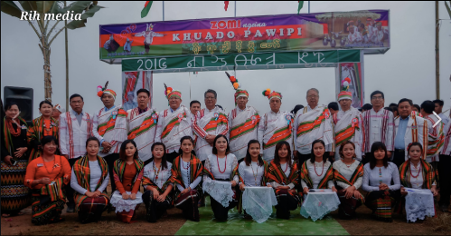
Figure 7: Trilingual Banner displayed at the Zomi New Year Festival (Harvest Festival) in Tedim, Chin State (Rih Media, 2019).
These comprehensive initiatives are designed to ensure the preservation, promotion, and integration of Zotuallai into various aspects of the Zo community:
Exhibitions and Photo Displays:
Organizing exhibitions and photo displays serves as an impactful strategy to showcase the significance of Zotuallai, particularly during festive and cultural events. These visual presentations not only highlight the historical and cultural importance of the script but also provide an opportunity for the community and visitors to engage directly with Zotuallai. By bringing the script into the public eye, these exhibitions help to make Zotuallai a tangible and visually compelling part of the Zo cultural experience. The goal is to increase awareness and deepen understanding, not just within the Zo community, but also among wider audiences, fostering pride and respect for the Zo heritage. Furthermore, such exhibitions create a platform for the community to reflect on its linguistic history and reinforce the relevance of Zotuallai in the modern world.
Creative Workshops and Writing Competitions:
Creative workshops and writing competitions specifically focused on Zotuallai aim to stimulate artistic expression while building practical skills within the community. These events encourage individuals, particularly youth, to experiment with the script as a medium of creative expression. Workshops provide hands-on learning opportunities where participants can hone their writing abilities, engage in collaborative idea-sharing, and explore innovative ways of using the script. Writing competitions, on the other hand, serve as a motivating force, offering individuals the chance to showcase their creativity and skill. These initiatives help to promote the active use of Zotuallai, inspire a sense of cultural pride, and cultivate a new generation of writers and artists who can contribute to the ongoing vitality of the Zo language and script.
Documentation and Voice Recording:
Documentation and voice recording efforts are vital to preserving Zotuallai in both its written and oral forms. This initiative seeks to create a comprehensive archive of Zotuallai, capturing not only the script's written structure but also the cultural context and the nuances of its use across generations. Through detailed documentation, the script's historical lineage, grammatical features, and various applications in Zo society will be recorded for future generations. Voice recording initiatives add an auditory layer to the preservation effort, ensuring that the spoken word, traditional stories, and oral histories associated with Zotuallai are preserved alongside its written form. Together, these initiatives provide a holistic understanding of the script, ensuring its multifaceted role in the Zo community is well-documented and safeguarded for posterity.
Production and Distribution of Learning Materials:
The creation and distribution of educational materials are central to promoting Zotuallai's continued use and accessibility. These materials include textbooks, online resources, instructional videos, and digital apps designed to facilitate the learning process. By making these materials widely available -- whether through free access or online platforms -- learners of all ages can engage with Zotuallai more easily. The goal is not only to educate the current generation but also to foster long-term interest in the script, creating a solid foundation for its continued relevance in the daily lives of the Zo people. These resources aim to democratize knowledge about Zotuallai, ensuring that learning is inclusive, accessible, and sustainable.
Enactment of Zotuallai Act:
The formal introduction of the Zotuallai Act represents a significant step toward the legal recognition and protection of the script. This legislative measure would enshrine the importance of Zotuallai in law, ensuring that its preservation and promotion are supported by government policy. By creating a legal framework for the script, the act would secure its place within the national cultural heritage and provide the necessary infrastructure for its continued use. The Zotuallai Act would address the challenges facing the script, such as misrepresentation and neglect, and ensure that efforts to revitalize it are supported by institutional resources. This formal recognition will encourage wider participation from the government, educational institutions, and the public in safeguarding Zotuallai for future generations.
Designation as National Writing System:
The formal designation of Zotuallai as the "National Writing System" would solidify its status as the official script of the Zo people, representing their cultural and linguistic identity. This recognition would ensure that Zotuallai is prioritized in both public and private life, and its use would be promoted across educational, governmental, and cultural institutions. As the national script, Zotuallai would symbolize the Zo community’s unity, history, and resilience, reinforcing its role as a central cultural pillar. This designation would help raise the profile of Zotuallai, making it a symbol of national pride and a key element of Zo identity.
Legislation for Safeguarding Zo Indigenous Cultures:
The introduction of specific legislation to safeguard Zo indigenous cultures would provide a broader legal framework for the protection of the community’s linguistic, cultural, and social traditions. This legislation would encompass not only Zotuallai but also other elements of Zo heritage, such as customs, rituals, music, and oral traditions. By passing laws that protect the community’s cultural practices, the Zo people would be assured that their heritage is legally protected from external threats, cultural assimilation, and misrepresentation. These legal protections would help to maintain the vibrancy and diversity of Zo culture, ensuring its transmission to future generations.
Protection, Preservation, and Documentation Program:
The Protection, Preservation, and Documentation Program is an overarching initiative designed to safeguard the Zotuallai script and its cultural significance. This program would involve coordinated efforts to protect the script from potential threats, preserve its usage, and systematically document its features and applications. These activities would include not only archival work but also the creation of educational tools, resources, and public awareness campaigns aimed at promoting Zotuallai as a living, evolving cultural asset. By implementing this program, the Zo community would ensure that Zotuallai remains a vital, relevant, and accessible element of their linguistic and cultural identity.
Integration into Educational Systems:
Integrating Zotuallai into formal educational systems is essential for ensuring that future generations learn the script and understand its importance. This could involve introducing Zotuallai into the school curriculum, offering dedicated language classes, and providing resources for students to engage with the script. Teaching Zotuallai in schools would not only preserve the script but also encourage students to view it as a natural, living part of their cultural heritage. This integration would also serve to cultivate a sense of pride among young people and foster a deeper connection to their roots.
Cultural Awareness and Identity:
Building cultural awareness and strengthening identity is a crucial aspect of preserving the Zo heritage, especially among younger generations. This initiative would include community programs, educational workshops, and media campaigns that focus on the history, values, and traditions of the Zo people. By fostering a greater understanding of Zo culture, the aim is to deepen the younger generation's connection to their cultural roots, ensuring that Zotuallai remains a symbol of pride and unity. This awareness-building effort would empower the community to actively participate in the ongoing preservation of their language and heritage.
Commemoration of Zomi National Language and Script Day:
Designating a specific day for the commemoration of Zomi National Language and Script Day serves as a public celebration of the Zo people’s linguistic and cultural heritage. This day would provide an opportunity for the Zo community to reflect on their shared history, honor the role of Zotuallai, and raise awareness about the importance of preserving the script. By recognizing this day annually, the community would reinforce the value of Zotuallai as a symbol of cultural continuity and identity. This commemoration would also serve to educate the broader public about the Zo people’s unique heritage, promoting cross-cultural understanding and support for the preservation of indigenous languages.

In Figure 6, a keyboard is depicted, showcasing a Zotuallai layout (Pau, 2015).
The acknowledgment extends to the collaborative efforts behind the development and implementation of ASCII and Unicode-compliant fonts for the Zotuallai script. This initiative represents a significant partnership between Zo linguists, language experts, and representatives from the Zo community, all of whom have played pivotal roles in ensuring that the script is both functional and accessible in the digital realm. Through this joint endeavor, Zotuallai has become increasingly accessible across a wide array of platforms, including Android apps, iOS, Mac OS, and Windows OS, facilitating its use in a variety of environments.
A key component of this progress is the creation of Zopau tutorials, which serve as valuable resources for individuals seeking to learn the script and incorporate it into their digital communications. Alongside these tutorials, customized keyboard layouts (refer to Figure 5) have been developed to streamline typing in Zotuallai, specifically tailored for use in online messaging, social media, and other forms of digital interaction. These customized layouts simplify the input process and provide users with the necessary tools to communicate effectively in their native script.
However, despite the advances made in improving accessibility, some technical challenges remain. Certain devices still face limitations in functionality, which may affect the user experience when using Zotuallai on older or less advanced systems. These challenges, although noteworthy, do not diminish the optimistic outlook for the future. Ongoing efforts to develop new technologies and enhance compatibility will likely overcome these hurdles, enabling broader integration of Zotuallai across a more extensive range of devices and operating systems.
Looking ahead, there is a strong ambition to extend the reach of Zotuallai even further. One of the key goals is to see the script included in widely used tools such as Google Translate and other translation platforms. Such inclusion would significantly broaden the utility of Zotuallai, making it more accessible to a global audience and enhancing its practical use in various contexts, from education and digital communication to cultural preservation and language revitalization. The potential for Zotuallai to be integrated into mainstream digital tools presents an exciting opportunity to ensure the continued growth and relevance of the Zo people's linguistic heritage in the digital age.
In the ongoing effort to combat the decline of the Zo language and culture, it is imperative that we utilize the power of social media as a constructive tool. In today’s interconnected world, social media platforms offer a unique opportunity to connect with Zo people globally, allowing us to share vital information about Zotuallai and its cultural significance. Through these platforms, we can raise awareness, foster pride, and encourage collective participation in the revitalization of the Zo identity. One key initiative in this process is guiding individuals on how to actively use resources like Google Play to download apps that provide educational materials about Zotuallai. By equipping individuals with these resources, we empower them to engage with their cultural heritage in a meaningful way. These apps serve not only as a means of education but also as tools that reinforce the importance of the Zo language and writing system, ultimately contributing to the strengthening of community ties and the unity of the Zo people.
Furthermore, recognizing and declaring Zotuallai as the official and national script of the Zo people presents a profound opportunity for cultural affirmation and growth. While securing unanimous agreement on such a declaration may pose challenges, due to varying perspectives and opinions within the community, the benefits far outweigh the potential difficulties. Official recognition of Zotuallai as the emblematic script of the Zo people would create a solid foundation for fostering unity, creating a shared sense of identity, and igniting collaborative efforts. Through open dialogue, brainstorming, and cooperative initiatives, the Zo community can work together to develop a cohesive path forward, ensuring a prosperous future that honors their linguistic and cultural heritage. While the process may require significant time and effort, the outcomes would undoubtedly be worth the investment, as it would pave the way for a more unified and empowered Zo identity.
Preserving a link to our cultural roots and traditional customs is of paramount importance. In this context, it is crucial to recognize the role of cultural heritage in the ongoing efforts to rejuvenate our identity as a people. As we continue to pursue national unity, one logical and sensible step would be to consider the adoption of a unified script for the Zo people. A common writing system would be more than just a means of communication; it would symbolize a shared geography, history, language, and a collective appreciation for one another's customs and traditions. This initiative could serve as a powerful tool for overcoming the many challenges that have historically divided the Zo people, whether these divisions have been political, social, or based on differing allegiances. Through the creation and adoption of Zotuallai as the unifying script, the Zo community would not only address past struggles but also open the door to a future of collaboration and shared accomplishments.
In summary, while the Zo people are spread across three different countries, and although linguistic and regional differences persist, a shared writing system such as Zotuallai can be the key factor in unifying them. Despite geographical dispersion, a substantial majority of the Zo people feel a deep sense of belonging to a unified nation. When asked, many have expressed their willingness to adopt Zotuallai as their collective writing system, recognizing its potential to reinforce their shared identity. The creation of a common script would be a defining step toward ensuring the cultural vitality and unity of the Zo people, as a shared writing system is often one of the most powerful forces in uniting distinct cultures.
The call to move beyond our minor differences and focus on our commonalities emphasizes that these distinctions are insignificant when compared to the shared history, language, and identity that bind us together. By embracing our collective identity as one nation, we can direct our energy and efforts toward meaningful cooperation, building a stronger foundation for future generations. This approach -- focused on unity, collaboration, and the greater good -- holds the potential to bring lasting change and foster the flourishing of the Zo people as a united cultural and linguistic community.
About the Author (s):
Go Suan Pau is a 2025 Governor’s Multicultural Awards winner, a researcher, a writer, and a cultural advocate dedicated to the preservation of Zolai and revitalisation of the Zotuallai writing system. His work explores the historical development of the script, its decline during the colonial era, and its resurgence in the digital age. Drawing on interdisciplinary perspectives, he examines the impact of external influences, such as the adoption of the Roman alphabet, alongside contemporary challenges including standardisation, misinformation, and questions of cultural ownership.
Since 2023, he has led the Zomi Language Project, an initiative aimed at integrating both Zolai (Roman script) and Zotuallai (Zomi script) into the Google Translate system. In this role, he has coordinated with Zomi communities across the globe, including Myanmar, India, Thailand, Malaysia, Japan, Korea, Australia, the United Kingdom, the European Union, and the United States of America. This collaborative effort reflects his commitment to leveraging digital technology to expand the accessibility and practical use of the Zomi language in the modern world.
Beyond his research and writing, he actively promotes practical strategies for revitalisation, including educational integration, digital innovation, and community engagement. He emphasises that Zotuallai is not merely a writing system but a symbol of identity, unity, and cultural continuity for the Zo people. Through his contributions, he supports broader efforts to strengthen linguistic heritage and ensure the survival of indigenous knowledge systems in a globalised world.
REFERENCES:
Go, Khup Za, 2008, Zo Chronicles: A Documentary Study of History and Culture of the Kuki-Chin-Lushai Tribe, Mittal Publications.
Go, Khup Za, 1985, Christianity in Chinland: The beginning and the growth of the Baptist churches in the Chin State of Burma, Guwahati, Christian Lit. Centre.
Mang, K., 2013, History Of Pau Cin Hau’s Siangsawn Pasian Religious Sect, Khenmang11.blogspot.com, viewed 22 June 2020, <http://khenmang11.blogspot.com/2013/02/history-of-pau-cin-haus-siangsawn.html>.
Minute Book, 1932, The British And Foreign Bible Society: Dorchester Auxiliary, viewed 19 June 2020, <http://dcc.dorsetforyou.com/calmview/Record.aspx?src=CalmView.Catalog&id=D-3032%2f1%2f1>.
Moseley, C 2012, ‘The UNESCO Atlas of the World’s Languages in Danger: Context and Process.’
Pandey, A, 2010, Preliminary Proposal to Encode the Pau Cin Hau Script in ISO/IEC 10646.
Pandey, A, 2011, “Proposal to Encode the Pau Cin Hau Alphabet in ISO/IEC 10646,” <http://std.dkuug.dk/jtc1/sc2/wg2/docs/n4017.pdf>.
Pau, DS, 2015, Zotuallai Pen Zomi Te Go Lianpen Hi, Holung Kupkhopna, viewed 22 June 2020, <https://sianzun.blogspot.com/2015/07/zotuallai-pen-zomi-te-go-lianpen-hi.html>.
Pau, P, 2015, ZDF Te Nasep Tangko Na, ZomiDaily, viewed 22 June 2020, <https://www.zomidaily.org/zdf-te-nasep-tangko-na/>.
Piang, L, 2005, Print Culture And Expansion Of People's Imagination, Shodhganga.inflibnet.ac.in, viewed 22 June 2020, <https://shodhganga.inflibnet.ac.in/bitstream/10603/16798/9/09_chapter%203.pdf>.
Scott, JC 2009, The art of not being governed an anarchist history of upland Southeast Asia, Yale University Press, New Haven.
Tuang, C, 2020, The Story of ethnic Zomi (Chin) Native Literature" ချင်း (ဇိုမီ:) တိုင်းရင်းသားတို့၏ မိခင်စာပေသမိုင်းအကြောင်းတစေ့တစောင်း", The Mirror "ကြေးမုံ," viewed 14 June 2020, <https://www.moi.gov.mm/npe/km/sites/default/files/newspaper-pdf/2020/06/14/KM%2014.6.2020.pdf>.
Tuang, C, 2020, The Story of ethnic Zomi (Chin) Native Literature" ချင်း (ဇိုမီ:) တိုင်းရင်းသားတို့၏ မိခင်စာပေသမိုင်းအကြောင်းတစေ့တစောင်း", The Mirror "ကြေးမုံ," viewed 7 June 2020, <https://www.moi.gov.mm/npe/km/sites/default/files/newspaper-pdf/2020/06/14/KM%2014.6.2020.pdf>.
Tullou TV, 2017, First Zo Script Seminar In Lamka, YouTube, viewed 22 June 2020, <https://www.youtube.com/watch?v=mMmDW8X1NGo>.
Making a donation is the ultimate sign of solidarity. Actions speak louder than words.
© 2022 The Australia Myanmar Institute for Democracy, Human Rights and Peace Limited (AMIDHRP).
All rights reserved. Design by NWD.